
 Beauty & personal Care
 Home decor
 Household Items
 Medicine
 Perfumes
 Pet Care
 Toys
Toys
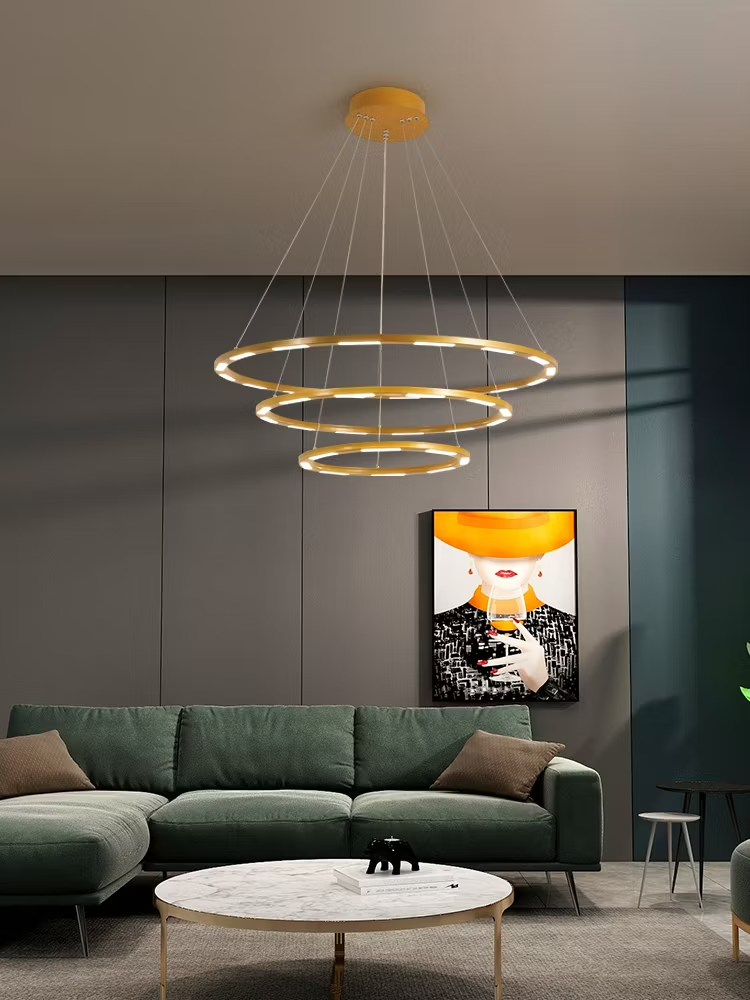
Lighting Your Home: Choosing the Right Fixtures for Every Room
Lighting plays a pivotal role in setting the mood and function of any room. Whether you’re creating a cozy reading nook, highlighting architectural features, or simply illuminating your workspace, the right lighting fixtures can transform a space. In this comprehensive guide, we’ll walk you through the essential types of lighting and how to choose the best fixtures for each room in your home.
1. Understanding the Three Types of Lighting
Before diving into specific room recommendations, it’s important to understand the three main types of lighting:
- Ambient Lighting: This is the primary source of light in a room and provides overall illumination. Ceiling-mounted lights, chandeliers, or recessed lighting are often used to create ambient lighting.
- Task Lighting: Designed for specific tasks, task lighting provides focused light for activities like reading, cooking, or working. Desk lamps, under-cabinet lighting, and pendant lights are common options for task lighting.
- Accent Lighting: Accent lighting is used to highlight particular features, such as artwork, plants, or architectural details. Track lighting, wall sconces, or picture lights are great for this purpose.
Each type of lighting works together to create a balanced, functional, and aesthetically pleasing atmosphere in any room.
2. Living Room: Layered Lighting for Comfort and Style
The living room often serves as the heart of the home, a space for relaxation and entertainment. A combination of ambient, task, and accent lighting is key to achieving both function and ambiance.
Ambient Lighting: A ceiling light, such as a chandelier or recessed lighting, provides general illumination. Opt for dimmable fixtures so you can adjust the light levels depending on the time of day or activity.
Task Lighting: Add floor lamps or table lamps next to seating areas for reading or other activities. Choose adjustable lamps that allow you to direct light where needed.
Accent Lighting: Highlight artwork, plants, or architectural features with wall sconces, track lighting, or spotlights. These add drama and focus to your living room.
Tip: For a warm and inviting atmosphere, use warm-colored bulbs or soft, diffused lighting to create a cozy feel.
3. Kitchen: Functional Lighting for Cooking and Prep Areas
The kitchen requires well-lit, functional spaces, particularly around the cooking and preparation areas. Proper lighting ensures safety and makes cooking tasks easier.
Ambient Lighting: Overhead ceiling lights are essential for general illumination. Consider a central light fixture, such as a flush mount or a pendant light, for even lighting across the room.
Task Lighting: Under-cabinet lighting is a must for illuminating countertops and workspaces. Pendant lights over the island or bar area also provide focused light for meal prep or casual dining.
Accent Lighting: Add accent lighting above or below cabinets to create visual interest and highlight architectural details. LED strip lights or recessed lighting can work well for this.
Tip: Use bright, cool-toned lighting (between 4000K and 5000K) to create a clean and functional atmosphere.
4. Bedroom: Soft, Relaxing Lighting for Sleep and Serenity
The bedroom is a space for rest and relaxation, so the lighting should support a calming, restful environment. Layered lighting can help set the mood and provide functionality for various activities.
Ambient Lighting: A soft ceiling light or a chandelier with a dimmer switch is ideal for general lighting. Consider a ceiling fan with a light fixture for added functionality in warmer climates.
Task Lighting: Bedside table lamps or wall sconces are perfect for reading or other bedtime activities. Opt for lamps with adjustable heads to control the direction of light.
Accent Lighting: Use accent lighting to highlight artwork or architectural features in the room. A floor lamp or a small, elegant table lamp adds a decorative touch while providing soft, diffused light.
Tip: For the bedroom, choose warm or soft white bulbs (around 2700K) to create a calming, soothing atmosphere that promotes relaxation and sleep.
5. Bathroom: Bright and Functional Lighting for Grooming and Relaxation
A well-lit bathroom is essential for both grooming tasks and creating a spa-like atmosphere. The lighting in this space should be bright and functional, with a focus on vanity lighting for tasks like shaving or applying makeup.
Ambient Lighting: Overhead ceiling lights, such as recessed or flush mount fixtures, provide overall illumination. Choose lights that are moisture-resistant and suitable for bathroom use.
Task Lighting: Place vanity lights on either side of the mirror or above it to ensure even, shadow-free lighting for grooming tasks. LED fixtures are an energy-efficient choice.
Accent Lighting: Use accent lighting to highlight artwork or architectural features in the bathroom. Consider wall-mounted sconces or small track lights to add ambiance without overwhelming the space.
Tip: Use bright, white lighting (between 3000K and 4000K) for a clean, functional look, but consider dimmable fixtures for a more relaxing atmosphere during baths or spa treatments.
6. Dining Room: Elegant Lighting for Dining and Entertaining
The dining room is a place for gatherings and meals, so your lighting should create an elegant and inviting atmosphere. A statement chandelier or pendant light can set the tone for the room while providing the right amount of illumination.
Ambient Lighting: A chandelier or pendant light above the dining table provides general lighting. Choose a fixture that complements the size of the table and the overall room decor.
Task Lighting: For additional illumination, add wall sconces or table lamps along the perimeter of the room. This ensures the space is evenly lit without overpowering the dining table.
Accent Lighting: Consider using accent lighting to highlight artwork, cabinetry, or decorative elements in the room. Wall-mounted picture lights or adjustable track lighting can add visual interest.
Tip: Opt for warm lighting (2700K to 3000K) to create an intimate and cozy dining environment.
7. Home Office: Bright and Focused Lighting for Productivity
The home office should be well-lit to promote focus and productivity. Task lighting takes precedence in this space, with ambient lighting used to ensure the entire room is illuminated.
Ambient Lighting: Use ceiling lights or recessed lighting to provide even illumination throughout the room. Choose fixtures with adjustable brightness to suit different tasks.
Task Lighting: A desk lamp with adjustable arms allows you to direct light where you need it most. Look for task lighting with a color temperature of around 4000K to create a clear and focused workspace.
Accent Lighting: Consider adding a few accent pieces, such as a table lamp or wall art lighting, to add personality to the room without cluttering your workspace.
Tip: Keep the lighting focused and bright to maintain energy and productivity, and avoid harsh or overly warm lighting that might induce fatigue.
Final Thoughts
Lighting is an essential element of home design that combines both functionality and aesthetics. By understanding the different types of lighting—ambient, task, and accent—you can create a well-balanced lighting scheme for every room in your home. From the bright, focused lighting in your kitchen and office to the warm, inviting atmosphere in your living room and bedroom, the right lighting fixtures can make a world of difference. Remember to select fixtures that complement your decor, suit the size of your room, and meet your functional needs, and your home will feel both beautiful and well-lit.